A comprehensive editorial resource detailing global travel routes, destination connectivity, and structured regional journey planning.
At Roam Harbor, we approach travel through the lens of movement and geographical logic. Rather than focusing on static landmarks, our documentation prioritizes the flow between regions, analyzing how urban centers connect through rail, road, and maritime corridors. We provide structured informational content that allows travelers to understand the underlying infrastructure of their intended destinations, ensuring a deeper comprehension of how different locales relate to one another within a broader regional context.
Our curated travel descriptions are built upon a foundation of journey flow analysis. Each package we document represents a specific sequence of movement, reflecting established travel pathways and regional connections. By breaking down destinations into logical stages of progression, we offer a technical perspective on tourism that favors clarity and structural integrity over traditional promotional narratives. This editorial methodology ensures that the logistical reality of a journey is always the primary focus.
The complexity of global travel necessitates an awareness of external variables. Roam Harbor acknowledges that seasonal variations, shifting transit schedules, and the specific requirements of the traveler can significantly alter the intended experience of a route. Our role is to provide the informational baseline from which these individual journeys can be planned, maintaining a standard of objective analysis that serves as a reliable guide for those seeking to navigate diverse international landscapes.
Travel details may vary based on conditions, availability, or traveler preferences.
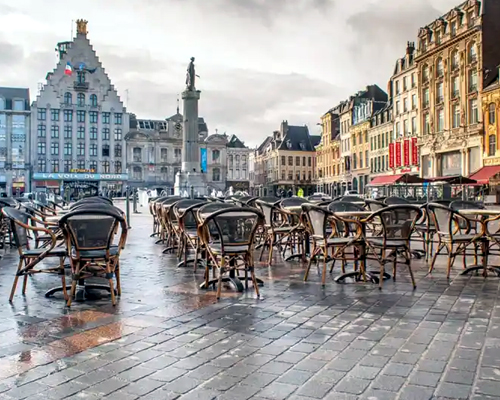
The transit through Lille centers on its role as a cross-border rail hub, where the progression from the historical center to the Euralille district demonstrates a shift from Flemish architectural traditions to modern European commerce. Travel here follows a radial pattern, expanding from the Grand Place toward the various cultural corridors that link northern France with neighboring Belgian provinces.
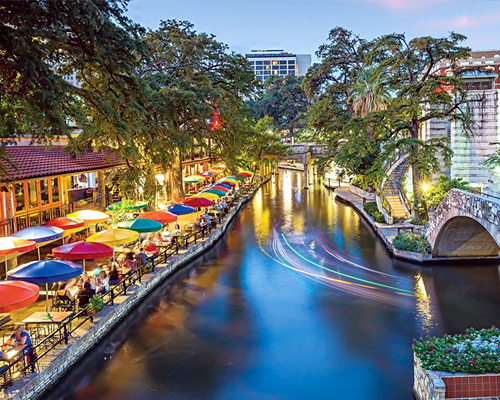
In San Antonio, the journey is defined by the subterranean flow of the River Walk, which serves as a pedestrian artery connecting Spanish colonial history with the modern urban sprawl. The route transitions from the mission-era structures in the south toward the cultural districts of the north, illustrating a historical timeline through physical movement along the river's winding path.
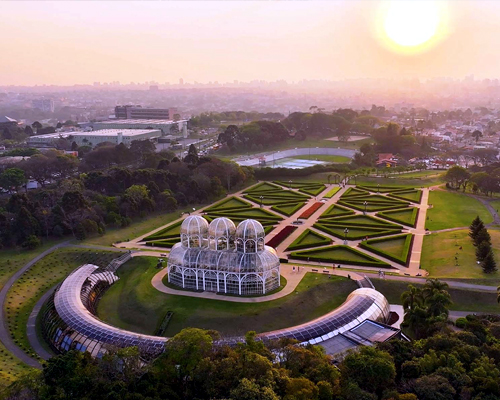
The movement within Curitiba follows a pioneering system of axial transport, where the city's growth is mirrored by its dedicated transit corridors. Travelers observe a progression from lush botanical sanctuaries to integrated urban plazas, highlighting a regional connectivity model that prioritizes public space and environmental integration within the Brazilian highlands.
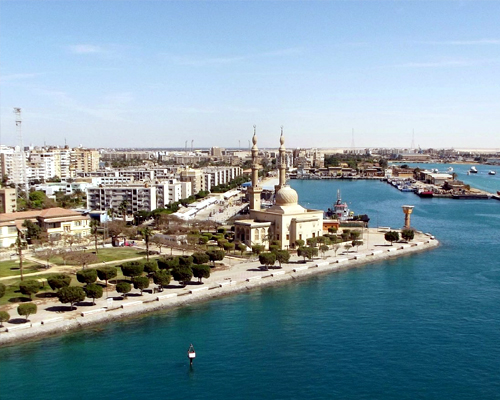
The route through Suez is a unique study in maritime and continental intersection, following the canal's progression from the Red Sea toward the Mediterranean. The travel flow here is linear and industrial, emphasizing the bridge between Africa and Asia and the logistical significance of the waterway that dictates the regional geography and transit patterns.
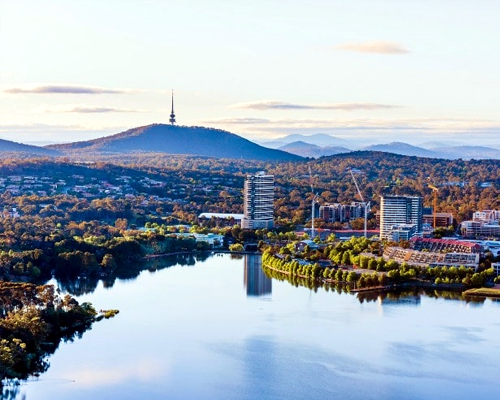
Canberra's layout dictates a journey of symmetry and circular progression, designed around the central axis of Lake Burley Griffin. The flow moves from the institutional heart of the Parliamentary Triangle through the surrounding garden suburbs, offering a structured exploration of a capital city defined by its planned geometry and integration with the Australian landscape.
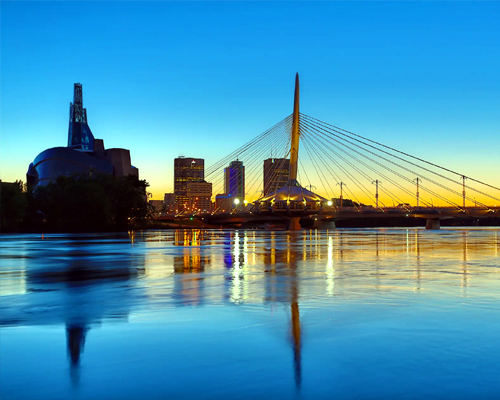
A visit to Winnipeg is structured by the convergence of the Red and Assiniboine rivers, a natural intersection that has long governed regional travel. The progression moves from the historical rail exchange districts to the sprawling prairies, documenting the city's role as a central Canadian gateway where traditional transport routes meet modern urban expansion.
For detailed information regarding specific travel routes, destination logistics, or to request a structured analysis of your intended journey, please use the provided form.
Our editorial team provides technical responses based on current regional data and route accessibility.
Last Updated: March 2026
Roam Harbor may collect personal information submitted through contact forms for the purpose of responding to travel inquiries. This typically includes names, contact details, and specific travel interests necessary to provide accurate route information.
We utilize the gathered data exclusively to facilitate communication regarding travel route analysis and destination planning. We do not use data for remarketing, profiling, or behavioral advertising.
We may use basic technical cookies to ensure the proper functioning of the site and to analyze general traffic patterns without identifying individual users.
We do not sell or rent personal data to third parties. Information is only shared when required by law or to fulfill a specific service request initiated by the user.
Personal data is retained only for as long as necessary to fulfill the inquiry process or as required by regulatory obligations.
Users have the right to request access to their data, corrections of inaccuracies, or the deletion of their personal information from our systems.
Roam Harbor does not knowingly collect information from individuals under the age of 13. If such data is discovered, it is immediately purged.
For privacy-related concerns, please contact our data editor at info@roamharbor.buzz.